✦ Preliminary edition
This article is editorial groundwork — not yet written from the community’s voices. As voices on Leather Sir/boy accumulate, we’ll rewrite it grounded in those real, lived accounts. Add your voice →
What You Will Understand
- ▸Old Guard and New Guard represent different philosophies about how leather values are passed down
- ▸The core tension is between tradition as mandate and tradition as choice
- ▸The healthiest approach honors history while building relationships that are explicit and transparent
- ▸Modern mentorship works differently than it did in mid-century, but the responsibility remains the same
Table of Contents
1. History First 2. What Old Guard Actually Was 3. What New Guard Became 4. The False Opposition 5. Ethics of Transmission Today 6. Key Takeaways
History First
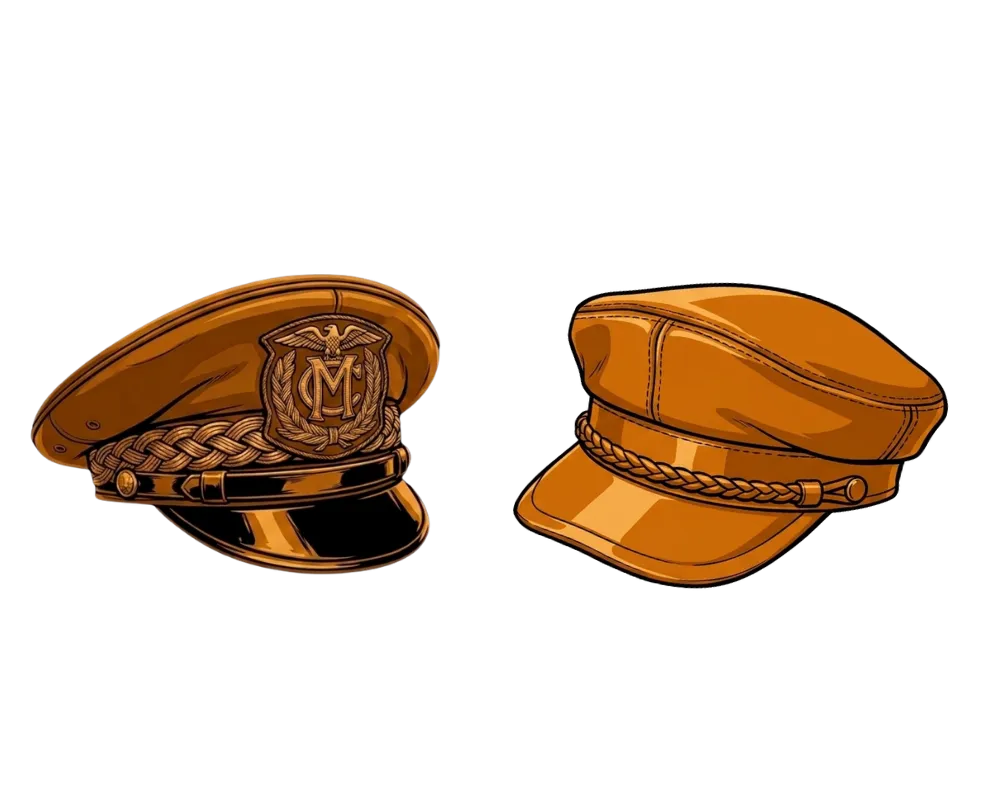
In the 1950s and 60s, gay men who had served in World War II found each other in bars and on streets. They had experienced homosocial bonding in the military. They had seen structured hierarchy. They had known comradeship forged in combat. And they had come home to a world that wanted them to disappear.
So they built a subculture based on leather and hierarchy and protocols that mimicked the military they had known. These were not arbitrary choices. They were deliberate recreations of a structure that had made sense to them, that had given them place and purpose.
The men who built this—the original Sirs and Daddies—were carrying forward something from an earlier time. They were also creating something entirely new. This was the birth of the leather tradition. It emerged from specific historical conditions. It was shaped by war, by the desire for brotherhood, by the need to build community in a hostile world.